
Africa has become one of the largest destinations for car exports from the UAE, especially Dubai. With its massive car market, competitive prices, and access to global brands, the UAE has positioned itself as a hub for re-exporting vehicles to African nations.
But while the opportunities are promising, the process of importing cars to Africa from UAE is far from simple. Importers face steep taxes, documentation challenges, and shipping risks that can quickly turn profitable deals into costly mistakes.
In this article, we’ll break down the main challenges of car imports to Africa country by country and provide practical solutions that help importers save time, cut costs, and minimize risk.
Each African nation has its own import rules, taxes, and clearance fees, making it critical for importers to understand the details before shipping.
Unlike some countries, Nigeria applies taxes incrementally first on CIF, then on duty, then levies, then VAT. This layered system often surprises new importers.
Example: One importer reported that after paying the NAC levy, his VAT increased unexpectedly because it was applied on top of CIF + duty + levy, not just CIF.
Kenya is one of the most difficult markets for used car imports because of strict age rules and bureaucratic clearance procedures. Delays at Mombasa port can result in costly demurrage fees if paperwork is incomplete.
The multiple layers of taxes make Ghana’s fee structure complicated and non-transparent. Importers often discover that their actual costs are far higher than initial estimates.
Example: An importer reported receiving an invoice that included unexpected ECOWAS and NHIL charges, adding over 10% to his planned costs.
Comparison of Import Clearing Costs (CIF %)
| Country | Age Restrictions | Import Duty & Levies | Total Clearing Costs |
| Nigeria | Up to 15 years | Duty (20–35%), NAC (15%), VAT (7.5%) | ~45–50% CIF |
| Kenya | Max 8 years | Duty (25%), Excise (20%), VAT (16%) | 60%+ CIF |
| Ghana | Up to 10–12 years | Duty (10–20%), ECOWAS, VAT, NHIL, GETFund | 55–65% CIF |
Beyond taxes, one of the biggest import challenges in Africa is documentation.
Example: A Ghanaian importer had his car held at port for 2 months because of a missing SONCAP certificate, incurring heavy storage costs.
The overlapping taxes and strict compliance checks mean even small documentation errors can result in delays, fines, or rejected imports.
How you ship your car from UAE to Africa significantly affects cost, safety, and risk.
Car theft and fraud remain a risk in certain shipping lanes. Stolen cars have been disguised and shipped, especially in routes connecting UK–EU–Africa.
Importers must ensure VIN verification and pre-shipment inspections to avoid buying stolen or illegal vehicles.
Africa receives over one-third of the world’s used car exports, many of which are old, unsafe, and high-polluting vehicles.
To stay compliant and ensure long-term value, importers should focus on newer, emission-compliant vehicles when possible.
Here’s how to overcome the challenges and succeed with car imports from UAE to Africa:
Know your country’s rules: Nigeria (~50% fees), Kenya (60%+), Ghana (55–65%).
Hire trusted clearing agents: Prevent hidden fees and speed up clearance.
Factor in surcharges early: ECOWAS ETL, port fees, insurance, demurrage.
Choose newer/compliant vehicles: Avoid bans, reduce taxes, meet emission standards.
Prepare documentation properly: VIN, deregistration, lien-free, SONCAP (for Nigeria).
Select the right shipping method: Container shipping for high-value SUVs; Ro-Ro for budget sedans.
Summary Table: Challenges vs Solutions
| Challenge | Impact | Solution |
| High import fees | 45–70% CIF costs | Pre-calculate & optimize shipping |
| Country-specific rules | Rejection or extra fines | Research regulations & hire agents |
| Complex taxes | Unexpected additional charges | Itemize all fees early |
| Port delays & risks | Demurrage, auction, theft | Use container shipping + insurance |
| Environmental issues | Unsafe & high-emission vehicles | Import newer models |
Importing cars to Africa from UAE is profitable but complex. Between taxes, compliance requirements, logistics, and environmental concerns, importers face many obstacles.
The good news? With proper planning, trusted clearing agents, and strategic vehicle choices, these challenges can be turned into opportunities.
Whether you’re importing budget sedans for Nigeria or luxury SUVs for Ghana, Worldwide Auto provides end-to-end support to make your export seamless.
Contact Worldwide Auto today to get started with reliable UAE car exports to Africa.
Q1: What are the taxes for importing cars from UAE to Nigeria?
Nigeria applies 20–35% import duty, 15% NAC levy, and 7.5% VAT, totaling ~45–50% of CIF value.
Q2: Why are car import costs so high in Kenya?
Kenya bans cars older than 8 years and applies 25% duty, 20% excise, and 16% VAT, pushing costs over 60%.
Q3: What is the best shipping method for cars from UAE to Africa?
Ro-Ro is cheaper for bulk shipments, but container shipping is safer for luxury SUVs and high-value vehicles.
Q4: Can I import an older car from UAE to Africa?
It depends on the country Kenya limits cars to 8 years, while Nigeria allows up to 15 years. Always check specific rules.
Q5: How long does it take to ship a car from UAE to Africa?
Shipping takes 3–6 weeks on average, depending on destination port and customs clearance speed.
Dubai is often associated with luxury, innovation, and world-class living. But beyond its skyline, the emirate has established itself as a global automotive trade hub, especially for luxury SUV exports. Thanks to its tax-friendly policies, strategic location, and competitive dealer market, Dubai offers buyers from Africa, Asia, Europe, and North America unbeatable opportunities to source premium SUVs at lower costs.
Models such as the Range Rover, Lexus LX, Toyota Land Cruiser, and Cadillac Escalade are not only widely available in Dubai but are also significantly more affordable compared to other regions.
This article explores the cost advantages of exporting SUVs from Dubai and explains why international buyers continue to choose this market.
Dubai’s tax-friendly policies are one of the primary reasons luxury SUVs are cheaper to export from the UAE.
Example: A 2023 Range Rover Vogue in Dubai can cost 20–25% less than the same model in Europe once duties are considered.
Dubai’s geographic position and world-class infrastructure make it a natural hub for car exports.
This reduces not just purchase costs but also overall landed costs, making Dubai an attractive export hub.
Dubai’s car market stands out for its diverse inventory and export-ready specifications.
This variety makes Dubai the go-to destination for international SUV buyers seeking specific trims, specs, or regional adaptations.
Dubai’s highly competitive dealer ecosystem ensures attractive pricing.
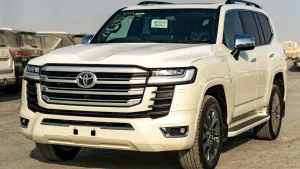
Case Study: A 2022 Toyota Land Cruiser 300 with under 15,000 km is often 10–15% cheaper in Dubai than in the UK or African markets.
Beyond vehicle pricing, Dubai offers cost advantages in logistics and operations.
This makes Dubai an efficient and cost-effective hub for global SUV exports.
Trust is crucial in international vehicle trade, and Dubai has built a strong reputation for secure and transparent transactions.
At Worldwide Auto, we prioritize transparency, ensuring every client enjoys a smooth, secure export process from purchase to delivery.
Choosing the right export partner is as important as choosing the right SUV. At Worldwide Auto, we specialize in helping buyers maximize Dubai’s cost advantage.
Dubai’s unique mix of tax benefits, competitive dealer prices, strategic location, and efficient shipping cements its position as the global leader in luxury SUV exports. Buyers worldwide save not only on purchase price but also on shipping and logistics, making it the most cost-effective hub for SUV sourcing.
Ready to source your next SUV at the best price?
Contact Worldwide Auto today to discover exclusive deals on Range Rover, Lexus, Toyota, Cadillac, and more. Our experts will guide you through a hassle-free export process.